How Subtick Changed Counter-Strafing on Dust2 Long A

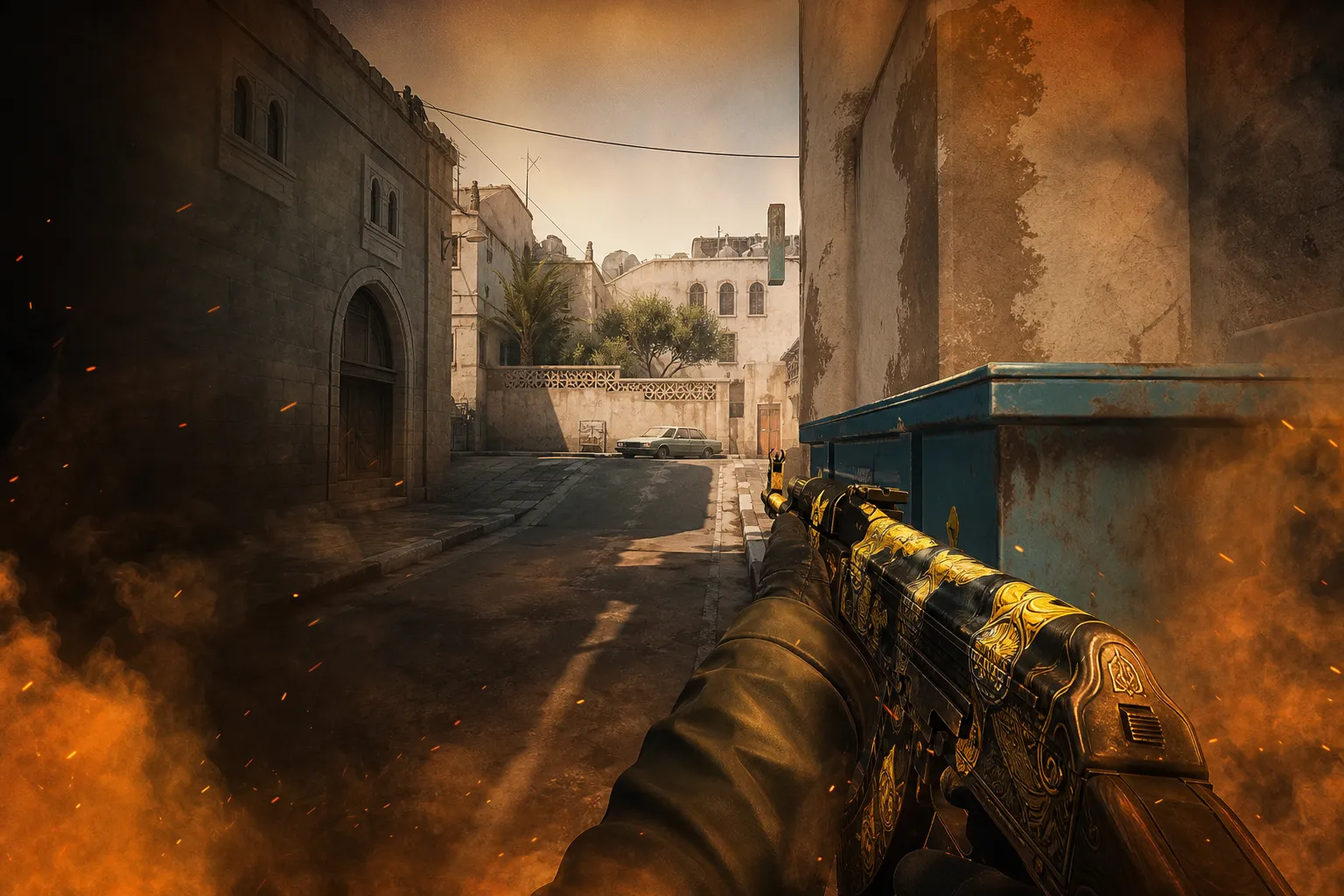
There’s a very specific kind of pain in CS2: you’re first out Long A on Dust2, you hit your counter-strafe, you swear your crosshair stopped, and the AK round still kisses your shoulder because the timing felt half a beat off. That feeling got a lot more common after Source 2 and subtick landed, because the old “my movement key is up, so I’m fully accurate now” muscle memory doesn’t map cleanly anymore. On Dust2 Long A, where tiny peeks decide whether you plant for pit or get sent back to T-spawn with a $0 round, that change matters more than people like to admit.
Dust2 Long A used to be a pure rhythm check. A-D, stop, shoot. Simple. Clean. Brutal. In CS2, the stop still matters, obviously, but subtick means the server is now trying to capture the exact moment you let go of A or D rather than just waiting for the next 64-tick frame to catch up. That sounds small on paper. It’s not.
Why Long A feels different in CS2
Counter-strafing on Long A has always been about winning the first bullet. If you’re rifling against a CT holding from car, blue, or pit, you don’t get style points. You get one chance to make yourself accurate before their crosshair lands. In CS:GO, especially on 128-tick servers, the stop was already crisp enough that good players built their entire peek timing around it. In CS2, with subtick layered on top, the stop is still there, but the feedback loop changed. You can be doing the right thing and still feel a little “floaty.”
That’s why so many players think their counter-strafes got worse, when really the game just made the timing more honest and less forgiving. The difference shows up hardest at Long because it’s a long lane with multiple common holds. You’re not just stopping once — you’re often dry-peeking into a flash, jiggle-resetting, then swinging wide to force a duel off the wall or the corner near car.
And if you’re playing Premier, where every round can swing 200+ CS Rating points over a half, you can’t afford sloppy entries. One dead T rifle on Long A often means the whole round gets weird, especially when the CTs are sitting on an MP9 or a stack of utility and suddenly your 800 loss bonus starts looking very real.
What subtick actually changed in the duel
The biggest change is that subtick reduces the old “I was technically moving on the server” excuse. Your key release is captured with more precision, so the game’s trying harder to register the exact frame you stop and fire. That sounds like a buff to counter-strafing, and in some ways it is. But it also means sloppy inputs show up faster. If you let go of A and instantly tap D without a clean rhythm, you’ll still feel that weird in-between state where your shot is late or your crosshair placement gets dragged.
On Long A, this affects three common peeks:
- the fast dry swing from T spawn to cross
- the stop-shot peek from blue bin into car
- the wide contact swing after a teammate flashes over long
The first one is where bad habits get punished. A lot of players spam their keys like they’re playing a drum solo, then wonder why the first bullet drifts. The second and third are where subtick quietly helps you if your inputs are clean. You’re not waiting for the old tick cadence to catch your stop. You’re getting closer to the moment you meant to fire — which is great if your mechanics are tight and awful if they aren’t.
Dust2 Long A isn’t a spray lane, it’s a timing lane
People love to pretend Long A is about aim duels. It’s not. It’s about timing the slice of space between cover and the angle the CT is already holding. The best Long players don’t just counter-strafe well; they make the defender guess which version of the peek they’re about to get. Hold for pit? Swing from red? Shoulder first, then re-peek? That’s the real game.
Subtick changed the punishment for being predictable. If you run the same A-D rhythm every round, good players will farm you. s1mple made a career out of reading tiny movement habits like that, and donk’s aggression works partly because he never lets the other guy settle into a comfortable stop-shoot cadence. On Dust2 Long A, that means mixing your peeks instead of relying on one perfect counter-strafe shape every time.
Here’s the part that matters: you don’t need to be “faster” in CS2. You need to be cleaner.
- Stop fully before the shot.
- Don’t panic-tap if your crosshair isn’t set.
- Use the wall at Long as cover for rhythm resets.
- Wide-swing when the CT has already fired or rotated.
If you’re fighting a holding rifler, the first bullet accuracy battle is still king. If you’re fighting an AWP, the fight changes completely — and suddenly your counter-strafe matters less than your angle discipline and your flash timing. ZywOo makes that look effortless because he rarely takes a dry ego duel unless the read is basically solved already.
The part most players still get wrong
People blame subtick for everything weird in CS2 movement, but a lot of the problem is just bad habits getting exposed. If you’re used to “feeling” accurate instead of actually stopping, Long A will humble you fast. Source 2 made the game cleaner in some ways and harsher in others. You can’t rely on the old fuzzy timing where your shot landed because the tick happened to be kind.
Here’s what usually goes wrong:
- You release A but keep aiming like you’re still moving.
- You counter-strafe too early and overcorrect into a bad angle.
- You peek long, stop, then instantly re-peek before the opponent’s crosshair has moved.
- You forget that utility changes the whole rhythm — a flash over long buys you a different timing than a dry swing ever will.
That last one matters a ton. A good flash from T side can turn Long A into a free space grab, but only if the entry player’s stop is tight enough to punish the blind CT before he recovers. When the flash pops, your counter-strafe timing has to be almost automatic. No hesitation. No “I think I’m accurate now.” That’s how you miss a free AK shot and suddenly the round gets dragged into a 2v3 with a half-buy behind it.
How to practice it without turning into a bot
If you want better Long A counter-strafes in CS2, stop grinding random aim maps for two hours and actually work on the lane you keep playing. Load Dust2. Go Long. Walk the exact peeks you use in matches. Blue box to car. T-spawn to corner. Long doors to pit swing. Do it with an AK, then an M4, then an AWP if you’re weird enough to main CT long control.
Use a simple routine:
- Strafe left for one step.
- Let go.
- Fire one bullet only.
- Repeat on the opposite side.
That sounds basic because it is. But basic mechanics win rounds. If you can make your first bullet land while moving between the long wall and the open lane, you’ll win fights you had no business winning. And if you’re on CT, the same idea applies from pit or car — you don’t need a highlight clip, just a clean first shot and the nerve not to over-swing after it.
Also, don’t ignore your economy. If your team’s on a 1900 loss bonus and you’re trying to force a Galil or FAMAS into a Long A brawl, your counter-strafe won’t save bad money. A lot of Dust2 games are decided by whether the T side preserves a proper buy for Long and Cat control, not by who looked cooler while strafing.
So did subtick make Long A better?
Honestly? Cleaner, yes. Easier, no. Subtick didn’t delete counter-strafing on Dust2 Long A; it just made the timing more exact and the mistakes more visible. If you already had good movement, CS2 mostly rewards you for it. If you were winging it, Long A is now one of the first places the game exposes you for free.
The old CS:GO habit of “close enough” doesn’t cut it here. Dust2 Long A is now a brutally honest test of whether your stop is real or just something you tell yourself after the round ends. So the next time you swing out Long and get tagged before your shot lands, ask yourself one thing: did subtick break your counter-strafe, or did it finally show you what was always there?