How to Read Enemy Econ in Premier Before They Force Buy

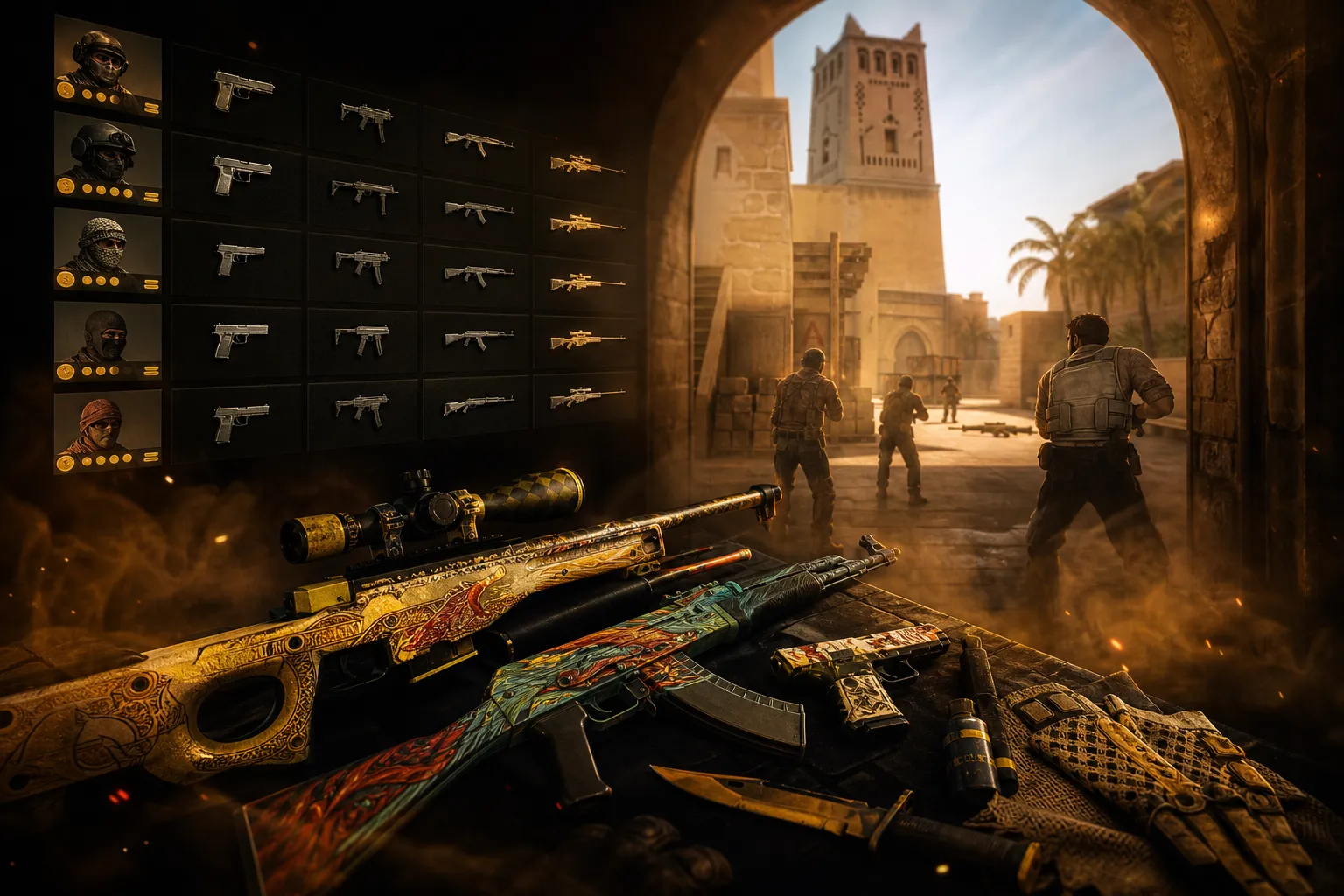
You’ve got the round half won, the kill feed is quiet, and then the enemy CTs start moving like they’ve got secret money. That’s the moment a lot of Premier games get thrown. Someone on your team says, “Force?” and three seconds later you’re staring at a stack of Deagles, one MAC-10, and a smoke that absolutely shouldn’t be there. If you can read enemy econ before they force buy, you stop getting surprised by the exact same bad round over and over.
Why force buys still wreck good teams
Force buys are nasty in CS2 because the subtick system makes fights feel so crisp that a random close-range swing with a half-buy can snowball into a full reset. A team on low cash doesn’t need to be rich to be dangerous. They need one player with a scout, a couple upgraded pistols, maybe a saved rifle, and enough utility to take a real fight at Mirage mid or Inferno banana. That’s all it takes.
The classic mistake is assuming enemies are broke just because they lost the last round. In Premier, especially around 8k to 15k CS Rating, people force way more than they should. Not because it’s smart — half the time it’s terrible economy management — but because one win can flip the whole half. If they can afford a force into a likely bonus round, they’ll do it. If they’re at 2,400 each, they’ll do it. If they’re tilted after losing a 4v2, they’ll do it for vibes alone.
Start with the simple math, not the vibes
The cleanest read comes from the buy-round loss bonus. You don’t need a spreadsheet mid-round, just basic CS2 money sense. After a lost round, the loss bonus climbs by $500 per round until it caps at $3,400. That means a team can lose and still have a weirdly playable buy if they’ve saved guns, plant money, or a couple players kept their loadout alive.
Watch these cash thresholds
- Under $2,000 per player: usually a light force, not a true rifle buy.
- $2,200-$3,200: danger zone. This is where Deagles, Five-Sevens, MAC-10s, MP9s, and one smoke start appearing.
- $3,400-$4,500: classic force buy range. You’ll see armor, upgraded pistols, maybe one rifle if they saved a gun.
- $5,000+: they can often mix in a full buy if one or two players had alive rifles from the previous round.
If you’re calling the round and you see the enemy had three deaths last round but one player survived with an AK, don’t treat them like they’re on a hard eco. That saved rifle changes everything. One live M4 or AK plus a couple of pistols is enough to make a CT retake on Ancient B look way more annoying than it should.
Read the deaths, not just the scoreboard
Scoreboard economy is useful, but the death pattern tells you the real story. Did they die with utility in hand? Did they save one or two rifles? Did the bomb plant go down? Did a player survive because he hid in T spawn on Dust2 and kept the M4? These details matter more than the raw round count.
Here’s the rough logic I use when I’m mid-game and trying to predict a force:
- If they lost fast and clean, they probably don’t have enough for a real buy.
- If the bomb was planted, add cash. The plant money can push a borderline round into force territory.
- If one or two players survived, assume the next round’s buy will be ugly but real.
- If a team just broke your economy on round 13 or 14, expect them to gamble harder than usual.
That last one matters a ton in Premier. People playing for rating get nervous near the end of a half, and nervous teams force. It’s basically a rule. You’ll see it in Major-level play too, just cleaner. Even the best teams — the kind of squads that turn up at Katowice or a Major final — don’t always buy “correctly.” They buy what keeps the pressure on. s1mple teams in older eras, ZywOo’s squads, donk’s ridiculous round-killing style — all of them punish weak reads because the money gap disappears when one player swings early and wins a 1v2.
The signs they’re about to force buy
Once you’ve played enough CS2, you start spotting the tells before freeze time even ends. The lobby goes quiet. Someone buys a flash and armor with no rifle. The leader drops a Deagle to the bottom fragger. Two players save full utility, one guy buys nothing but a smoke and helmet. That’s not a normal eco. That’s a force.
Some dead giveaways:
- One player is hovering between rifle and pistol buys like he’s trying to hide the intent.
- You see a half-buy on the first 10 seconds of buy time, then a late round of panic purchases.
- Their CT side is buying MP9s or UMP-style force weapons even when the economy should be saving.
- The top fragger keeps full armor while the others scrape together whatever’s left.
On T side, the force often looks even more obvious. A team on Inferno might go Deagles, one Galil, three smokes, and pray for banana control. On Nuke, they’ll stack outside utility and try a fast ramp or hut hit because they know they can’t take a standard rifle duel. If you see that sort of setup, don’t overcomplicate it. They’re not planning a masterpiece. They’re trying to steal a round and reset your economy.
What to do once you spot the force
This is where a lot of players get cute and throw away the read. If you know the enemy is on a force, don’t run into it like you’re in a Faceit highlight. Play clean. Don’t gift them close-range Deagle fights. Don’t dry peek banana into four pistols because “they’re broke.” Broken teams win rounds by forcing messy duels.
Your response should be boring in the best way:
- Keep spacing tight.
- Trade everything.
- Respect close corners on maps like Mirage, Overpass, and Train.
- Use your utility to make them spend utility first.
- Let the round come to you if you’re up on economy.
For Ts, that usually means slow defaults and pressure. Make the CT force show its hand. Smoke CT on Mirage, pressure connector, and force the MP9s to move. On Anubis, take map control and let their budget setup burn utility early. On CT side, if you’re the one with the read, stack smart and call the force before it hits your weak spot. A five-man B stack on Inferno because you sniffed a pistol force is ugly, but ugly wins rounds.
Premier habits that make your reads way sharper
Premier games are a weird mix of serious CS and absolute chaos. You’ll face players with 18,000 CS Rating who know every timing on Vertigo, then someone at 7k who buys an AWP with no armor because they saw m0NESY do it once. The trick is not to read skill — it’s to read behavior.
After a few rounds, track these things:
Their buy discipline. Do they save on lost rounds or force every time? Teams that force once usually force again if they think they can still reset you.
Their economy panic. If a squad loses three rounds in a row and suddenly two players full buy while the others half-buy, that’s a cracked economy, not a stable one.
Their favorite map habits. Some teams on Mirage always save one rifle for late-round mid aggression. Others on Ancient are addicted to hero AWP buys. If you know their tendencies, the money read gets easier.
And honestly, the subtick era makes all of this more brutal. A bad force on 64-tick style assumptions used to feel less punishing. In CS2, one fast swing, one instant headshot, and your “smart” eco round is gone. That’s why reading enemy econ matters so much now. The gap between a real buy and a fake buy is tiny, but the punishment is huge.
If you want the short version: stop guessing, start counting. Look at deaths, surviving guns, plant money, and how much pressure the half is putting on them. Premier players force buy all the time, and most of them telegraph it if you’re paying attention. The real question is whether you’re noticing it before they’re already in your bombsite.