Why Nuke Feels Easier on T-Side After the Latest Meta Shift

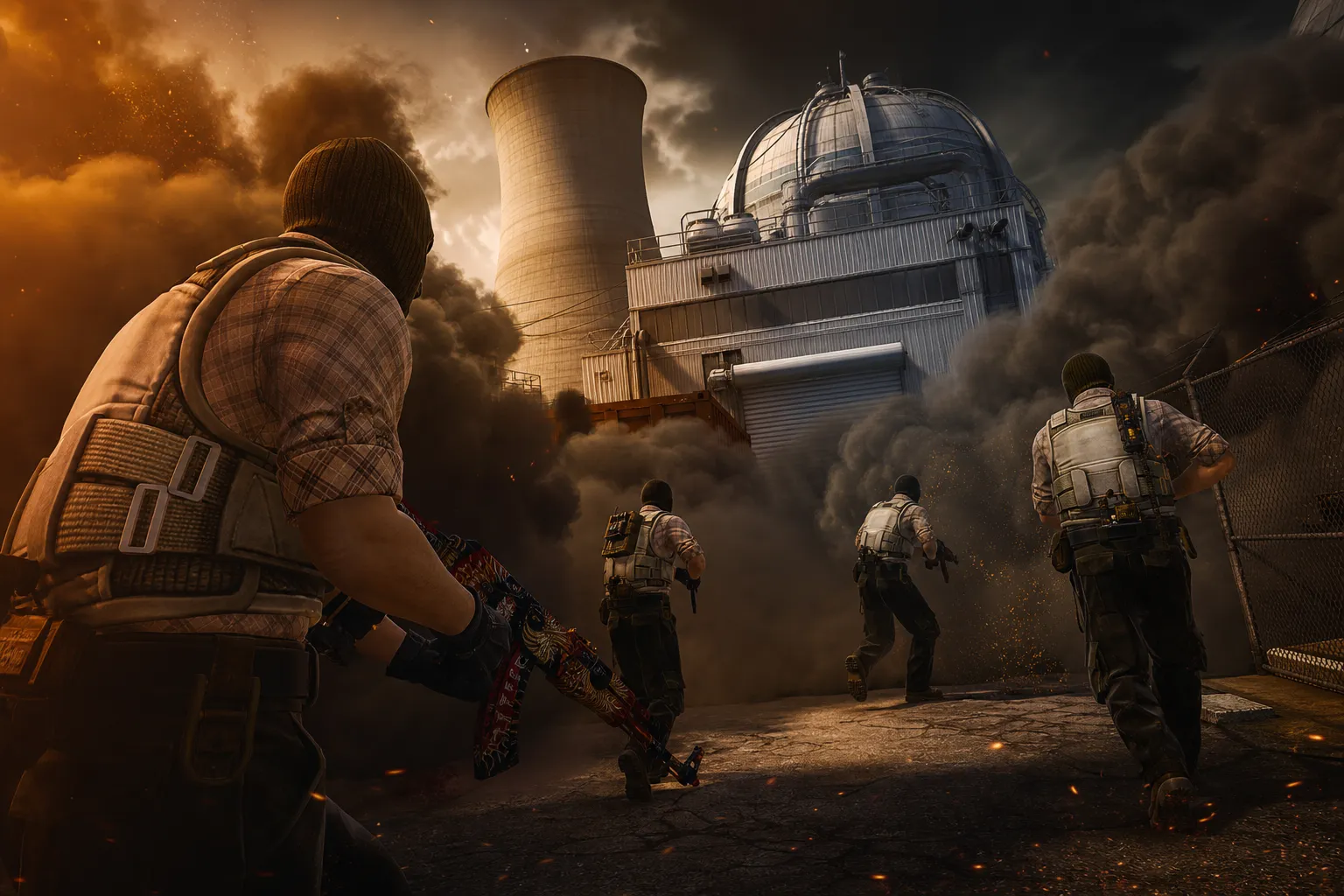
Nuke used to feel like the map where every T-side round was a small tax on your sanity. One bad spawn timing, one missed Yard smoke, and suddenly you’re staring at 55 seconds on the clock with no map control, no outer secret pressure, and a CT AWP parked in heaven like it pays rent there. Lately, though, it’s felt weirdly kinder to the side that used to get bullied. Not easy-easy. This is still Nuke. But after the latest meta shift, T-side has more clean entries, better mid-round options, and way fewer rounds that die because one smoke was 0.3 seconds late.
That matters a lot in CS2, where subtick has made timing fights feel sharper and a little less forgiving. If you’re late to a molly by even a hair, the whole outer split can collapse. If you’re early, you can actually force CTs off the angles instead of walking into a full utility stack and praying. That tiny change is why Nuke’s T side has started to feel playable instead of cursed.
Why Nuke used to feel miserable on T side
Old Nuke T rounds had one giant problem: you had to spend so much utility just to get to the point where you could start playing the map. Outside control wasn’t optional. If CTs got Lobby, Garage, and heaven info for free, you were basically guessing whether to hit A, split lower, or fake until the round clock got awkward.
And because Nuke’s geometry is so vertical, CT rotations come fast and feel brutal. You’re not just fighting defenders — you’re fighting information. A single ramp push or squeaky peek could tell them everything, and then you’d get spammed out by an AWP, a rifle, and a HEs worth of bad decisions. Honestly, a lot of Nuke T rounds used to be “we threw four smokes and still got nowhere.”
The meta shift changed the first 30 seconds
The big difference now is that T teams are using their first 30 seconds with way more purpose. Instead of burning all their utility trying to “take Nuke,” they’re using layered pressure to make CTs guess wrong. You see more fake outside presence, more Lobby disruption, and more early Top Hut or Squeaky noise to split CT attention. That makes the map feel smoother because you’re not forced into one perfect plan every round.
What actually changed in practice
- Better utility sequencing. Teams are chaining smokes and flashes more cleanly, so Yard execs don’t feel as telegraphed.
- Less overcommitment. You don’t need five bodies outside every round anymore.
- Stronger punish rounds. If CTs overpush Lobby or Secret, they get farmed.
- More room for solo plays. One lurker can make Ramp or Mini feel much bigger than it is.
This is the part that’s made Nuke feel easier in Premier too. In a 16,000+ CS Rating lobby, most teams still don’t rotate cleanly once the first piece of info gets denied. So when your outer pressure looks real, you’re often getting CTs to do the work for you — and that’s always nicer than trying to brute-force A every round like it’s Mirage.
Outside is still the soul of the map, but now it’s not a coin flip
Outside used to be the place where T sides went to die if the CT side had good AWP spacing. Not anymore. The best T rounds now are built around making Outside feel expensive for CTs. If they want to contest Yard, they eat utility. If they stay passive, you take secret for free and suddenly lower is wide open.
The beauty of this shift is that it gives Ts more than one real ending to the round. You can go lower. You can fake lower and hit A. You can force the ramp rotate and then explode upper. That’s a huge upgrade from the old “smoke everything, pray nobody is aggressive” approach. It feels like you’re actually playing Counter-Strike instead of a puzzle where one wrong answer gets you deleted.
Even on the pro level, this is showing up in how teams handle Nuke at events like the Major circuit. You’ve seen players like m0NESY and ZywOo make ridiculous impact on CT sides, sure, but the better T setups are the ones that stop giving them free first contacts. If you don’t feed the stars, the map gets a lot less scary.
Ramp and Squeaky got better because teams stopped being lazy
One reason Nuke T side feels cleaner is that teams aren’t treating Ramp like a side quest anymore. Too many teams used to dump one smoke, send one guy, and call it a day. That’s asking to get farmed by a disciplined CT stack. Now you’re seeing proper pressure on Ramp with flash timing, contact timings, and late-round re-hit potential.
Squeaky has also become more valuable because it’s not just an entry hole — it’s a timing tool. If you pop Squeaky at the right moment, CTs have to respect upper threat even when the real plan is lower. That little bit of uncertainty is huge. CS2’s subtick makes close-contact swings feel nastier too, so if a CT is out of position, they get punished instantly.
And yes, this is exactly the kind of round structure that donk would bully people with on a good day: one clean timing, one flash, one dead anchor, and suddenly the whole defense is rotating into the wrong site. Nuke rewards that kind of aggression now because the meta isn’t so rigid.
Economy matters more on Nuke than people admit
Nuke has always been an economy map, but the latest shift made that even more obvious. If you’re winning T rounds cleanly with minimal utility loss, you get into that sweet spot where the CT side starts feeling broke and desperate. A half-buy on Nuke is rough because the map punishes weak rifles in awkward angles — especially around Mini, Hut, and Top Site.
A typical T-side round on Nuke now often looks like this:
- Two smokes for Outside
- One smoke for Mini or Cross
- Two flashes for contact
- One molly for Hut, Garage, or Ramp
That’s not cheap, but it’s manageable. At $300 per smoke and $200 per flash, good utility usage is still way cheaper than forcing hero plays and donating guns. If you win the round with three players alive, even better — now the CTs are the ones stuck making ugly eco choices on a map where force buys can snowball fast.
And because CS2’s economy snowballs so hard when you string a couple of clean rounds together, Nuke T side starts to feel less like “can we crack the site?” and more like “how many different ways can we make them panic?” That’s a much healthier place for the attacking side.
So why does it feel easier now?
Simple: T side on Nuke finally has enough real choices. You’re not locked into one boring outside exec every round, and you’re not forced to gamble your whole half on perfect timing. The meta shift rewarded teams that can pressure multiple layers at once, and punished the old lazy default where five players just stood outside hoping for a miracle.
If you’re grinding Nuke in Premier, the map now rewards patience more than memorization. Take Outside. Threaten Ramp. Make Lobby annoying. Keep CTs honest. The map still has teeth, but it’s no longer the one-sided mess it used to be when the defense got too much information too early. That’s the real change.
So yeah, Nuke isn’t suddenly a free T-side map. But after the latest meta shift, it’s the first time in a long while that attacking on Nuke feels like you’re holding the steering wheel — not just along for the ride. Are you still running old-school smoke-and-pray Nuke defaults, or have you finally started playing the map like it owes you something?