The Fastest Way to Clear Ancient A Main Without Burning Utility

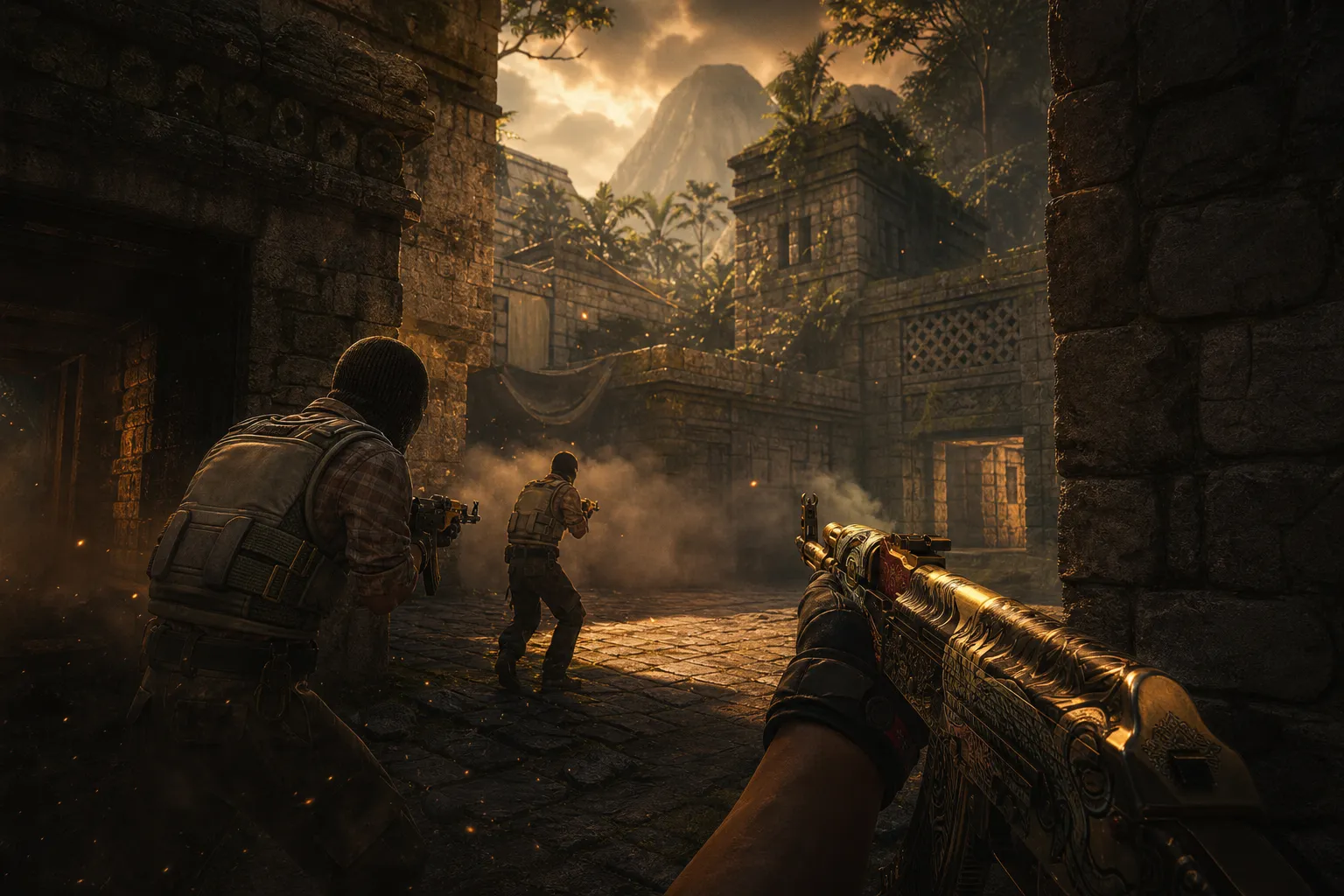
You know that Ancient A Main fight: the T side spawns in, your duelists are already itching for contact, and half your team wants to “just smoke and go.” That’s how you burn three pieces of utility before the round even starts to breathe. The faster play is way cleaner than that. You can clear A Main on Ancient with almost nothing if you understand the angles, the timing, and where CTs actually like to sit in Source 2.
And yeah, this matters. In CS2, subtick makes the first few bullets and peeks feel brutally honest, so if you wander into A Main with sloppy spacing, you’re not “unlucky” — you’re just giving a rifler like donk or m0NESY a free, comfortable fight.
What A Main on Ancient is really asking from you
A Main isn’t some giant choke like Dust2 mid doors. It’s a tight lane with layered contact points, and the CT side usually wants the same boring stuff every round: one player close left, one tucked deeper by the lane, maybe a rotator ready to swing from A site or donut if they hear panic steps. The trick is that you don’t need to fully clear all of it with nades. You need to force the close player off his best timing, then take the first contact on your terms.
If you’re on T side and you’re still spending a flash, a smoke, and a molly just to “feel safe,” you’re probably overdoing it. Ancient A Main can be taken with a fast pace, good crosshair placement, and one piece of utility used for a purpose, not because some online exec video told you to dump the bag.
The fastest clean clear: shoulder, flash, slice
The basic idea is simple: one player shows presence, one player supports, and the third one — if you’ve got a full buy — is already ready to punish the first CT who overpeeks. No slow walk. No cringe jiggle for six seconds. Just short, deliberate pressure.
Step one: make the close angle react
Start with a tight shoulder or a quick wide enough peek to bait the close-left player. Not a hero swing. Just enough to make him move. Most CTs anchoring A Main on Ancient are looking for the exact same rhythm every round, and once they fire or shift, they give you the timing window you need.
If your duo is good, the second player should be ready for the re-peek. That’s the part people mess up. They peek once, nothing happens, and then they freeze like the round’s over. It isn’t. The first contact is just information.
Step two: use one flash, not two
A pop flash over the lip of A Main is usually enough. You don’t need the full circus. If your teammate throws it off the wall or high enough to pop just as the first player swings, it forces the CT anchor to choose between getting blinded or giving up space.
One good flash here does the work of three bad ones. That’s not me being dramatic. It’s just economy. A flash is $200, and two wasted flashes plus a molly plus a smoke is basically a force-buy in utility terms. On a round where your team is sitting on a 2,500-ish average buy, throwing away $800 because you were scared of a lane is ridiculous.
Step three: slice the lane like you mean it
After the flash, clear A Main in chunks:
- Close left first.
- Then the deeper tuck on the right side.
- Then the back angle toward site if someone is still posted.
That’s it. Don’t try to “full clear” every pixel with one shoulder angle. Ancient punishes lazy clears, but it also punishes over-clearing. If your crosshair is already set for the most likely fight, you’ll win more rounds than the guy who thinks utility is a substitute for mechanics.
Where CTs actually sit, and why they get away with it
The annoying part about Ancient A Main is that CTs can take fights from a few different layers without committing fully. The close-left player wants to break your first rifle. The deeper player wants to catch the second man while you’re looking the wrong way. And the site player, if he’s smart, just waits for the chaos and swings when your entry is mid-transfer.
This is why “fastest” doesn’t mean “run in blind.” It means you’re taking the shortest route to information. If a CT is close, you force him out with presence and a flash. If he isn’t, you already have the lane to work with and can spend nothing else. That’s the whole trick.
Players in pro CS don’t waste utility here unless they’re setting up a real hit. Watch how teams at Major events handle this kind of space: one player baits, one supports, and the third is already thinking about the post-plant angle. Nobody’s tossing a molly just because they’re nervous. ZywOo doesn’t burn three pieces of nades to walk through a lane; he makes the CTs spend theirs first.
A bare-minimum utility setup that actually works
If you want the fast version, you can get away with very little. That’s the beauty of it.
- 1 flash for the first swing.
- 0 smoke if you’re just taking space, not executing.
- 0 molly unless you know someone is committed to close left or tucked deep.
That’s the lean version. If you’ve got extra utility, fine, but don’t autopilot into the full exec. A molly for close left is good if the CT keeps farming you there, but if he’s already giving ground, you’re basically throwing money into the pit for no reason.
On T side, that matters more than people admit. If you win the opening map control and still end the round with two flashes and a smoke because you “saved” too hard, you’re not helping your team. A proper Ancient A Main take should leave you with enough stuff to finish the hit or pivot into donut pressure later.
Timing beats nades on Ancient, every time
Source 2 made timing fights feel sharper, especially with subtick smoothing out those first contacts. That means your peek timing and your spacing matter way more than some old-school “just throw a lineup” mindset. On Ancient, if you’re a half-second late, the CT anchor gets a free reposition. If you’re half a step too far from your teammate, your trade dies before it starts.
That’s why the fastest clear is really about tempo. You want to move before the defender fully settles, but not so fast that you break your own spacing. Think of it like this: one player makes the CT react, the second player cleans up the reaction, and the third player is already ready for the panic swing. Simple. Brutal. Effective.
This is also why Premier players who chase CS Rating without learning spacing get cooked around 12,000 to 18,000 rating. At that level, everyone knows the default nades, but not everyone knows how to fight without them. The team that understands contact timings usually wins the round while the other side is still arguing over who flashed whom.
The mistakes that make this look hard
Most bad Ancient A Main clears come from the same stupid habits:
- Slow walking for too long, then peeking with no trade.
- Using a smoke before you know anyone is actually holding the lane.
- Stacking three players in the same line, so one spray tags everyone.
- Clearing the wrong angle first because you copied a clip instead of learning the map.
The third one is especially painful. If your whole group stacks in one line through A Main, a single AK spray can turn the round into a highlight reel for the other team. Keep your spacing honest. You don’t need to be miles apart, just enough that one burst doesn’t farm every body on site.
And if you’re dead set on using utility, spend it with a purpose. If the CT has shown close-left twice in a row, fine, molly him. If he’s playing passive and you’re still smoking the lane, you’re just helping him read your hit for free.
The cleanest way to think about it
Ancient A Main isn’t a utility check. It’s a contact check. Win the first duel, trade the second, and keep your utility for the actual site hit where it matters. That’s the part people get backwards all the time. They want the lane to be perfectly “safe” before they move, and in CS2 that usually just means the CTs have had more time to set up crossfires.
If you want the fastest clear, stop thinking like a guy who’s afraid to lose a smoke. Think like a team that’s trying to steal space before the defenders can breathe. That’s how pro teams do it when they’re not full-execing, and that’s how you stop Ancient A Main from turning into a utility graveyard.
So next time you’re on T side Ancient, ask yourself this: do you actually need three nades for A Main, or do you just need better timing and the guts to take the first fight?