AWP Opener or Rifle Anchor: What Actually Wins More Rounds

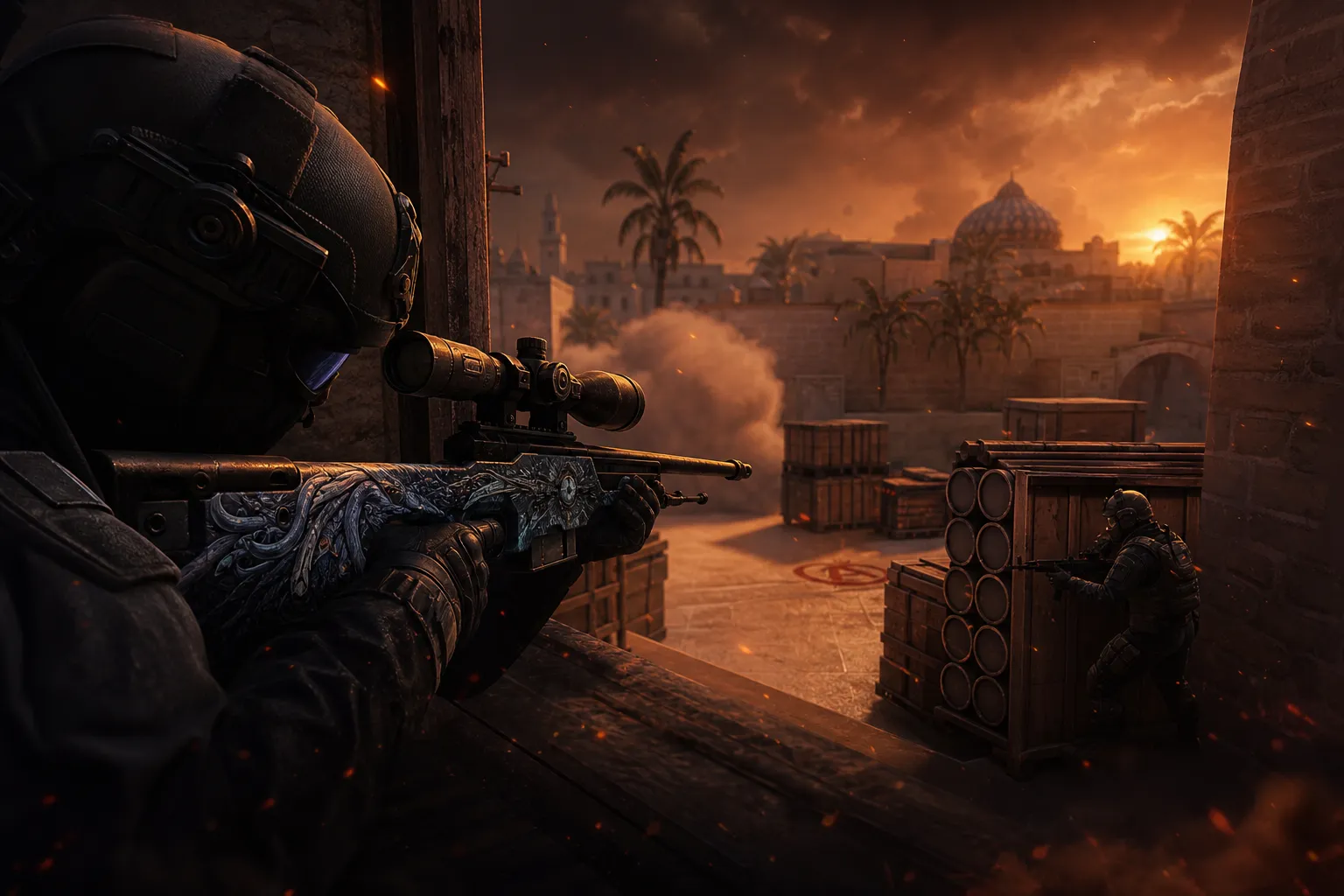
It’s 11-11 on Inferno, both teams are broke enough to make every death hurt, and your AWP is posted long on A, staring at the first jiggle like it owes him money. Two seconds later, he either takes a clean opening pick and the round feels over, or he gets flashed off, smoked out, and the whole map turns into a 4v5 while the rifle anchor quietly keeps B from collapsing. That’s the real debate in CS2: do you spend 4750 on the guy who can crack the round open, or do you keep stacking rifles and trust the anchor to make the ugly rounds winnable?
My take? The AWP opener wins more rounds when your team can actually play around it. The rifle anchor wins more rounds when your team is messy, puggy, or playing with randoms who think “helping” means swinging through your smoke and dying for free.
The AWP gets the highlight, but the anchor gets the boring wins
Everybody loves the opener because it looks like pure violence. One shot, one kill, instant map control. That’s the part clips are made of. You watch s1mple on Mirage connector or m0NESY taking first contact on Anubis and it feels like the AWP is the only gun that matters. It isn’t. It just gets the loudest kills.
The rifle anchor is the guy holding the bombsite when the execute hits at 0:42, the one eating the first flash, the one surviving on 14 HP and a smoke, the one who makes the T side burn 30 extra seconds before the bomb even plants. That stuff doesn’t trend on social media, but it wins a ridiculous number of rounds. Especially in CS2, where subtick makes peeking and trading feel cleaner, and good teams punish overpeeks brutally fast.
If you want the blunt version: the opener tries to win the round before it starts. The anchor tries to make sure the round can’t be lost cheaply.
What the opener actually buys you
An AWP opener is basically a tax collector for space. Long A on Dust2, top mid on Mirage, ramp on Nuke, banana banana banana on Inferno — if the CT AWP gets one early pick, the T side has to slow down, spend util, and rethink the round. That’s huge. Time is money in CS2, and the AWP is one of the few weapons that can turn a 5v5 into a 5v4 before the round has even settled.
The numbers matter here. An AWP costs $4750. That’s a real investment, not some casual buy. You’re often sacrificing a rifle, a full nade set, or even a stronger second-round buy so your AWPer can take first contact. When it works, the payoff is disgusting. When it doesn’t, you’ve basically donated your economy to the other team.
- AWP opener: takes map control early.
- AWP opener: forces utility and respect.
- AWP opener: can flip a 5v5 into a clean site hit.
But there’s a catch. If your AWP is passive and never fights until the round is already dead, then you’re not really buying an opener. You’re buying a very expensive rifle that watches your riflers get pressure-squeezed on the map. That’s not impact. That’s a spectator pass.
Why the best AWPs don’t just wait for duels
The greats don’t sit in spawn and pray. ZywOo will take space when the read is right. donk’s opponents are terrified of dry peeks because he’ll punish the tiniest timing mistake with a rifle or an AWP-like first bullet burst, and that threat changes how teams clear angles. Even back at the Major level, you can see how teams treat a dangerous AWPer: they don’t just clear the angle, they dedicate flash, smoke, and timing discipline to it.
That pressure alone can create round wins. If CTs have to burn two flashes and a smoke just to get their AWPer out of a strong angle, the T side is already playing a weaker round. A good opener makes utility look expensive. That’s the real value.
Why rifle anchors are the glue most teams actually need
Now for the less glamorous truth: a lot of teams don’t lose because they lack an opener. They lose because nobody holds the site after the opener dies.
Rifle anchors win rounds by making executes disgusting to run. They’re the guy on B Ancient who doesn’t panic when the first smoke lands. They’re the player on Overpass B who stays alive long enough for the rotate. They’re the Nuke silo or mini defender who turns a 5-man hit into a molotov-fueled mess. If the anchor survives and denies plant space, the round gets awkward for the Ts fast.
And in CS2, that matters even more than it used to in some cases because the game rewards clean trading, but it also punishes clumsy spacing. If the anchor gets one and falls back, the CT side can stack the retake. If he gets two, the round often ends right there.
There’s a reason teams with structured systems love absurdly reliable rifle anchors. You can be a little off on the opener. You can be a little slow with the mid-round read. If the anchor is doing his job, the rest of the defense has room to breathe.
The economy answer nobody wants to hear
If you’re looking at this through Premier rating sweat, economy is the whole argument. AWP buys change the whole team’s loadout. Rifle anchors are cheaper, and that money stays spread across the roster. That’s not sexy, but it’s often smarter.
Say your team has $2500-$3500 per player after a lost round. Suddenly the 4750 AWP means somebody is on a weak rifle, maybe no kit, maybe one flash instead of full utility. On the other hand, a rifle anchor on $2900 can still buy a decent weapon, a smoke, a flash, and a molotov, which is basically the minimum package for surviving modern CS2 executes.
That’s why so many teams on save-heavy streaks end up preferring the disciplined rifle core over forcing an AWP every other round. The AWP is a momentum weapon, sure, but it also creates awkward half-buys if you’re not careful. One bad round and suddenly you’re on pistols while the other side is running a full AK/utility train.
- 4750 AWP can wreck your buy balance.
- 2900 rifle anchor keeps the whole round workable.
- Full utility often beats a fancy scope in messy games.
Where the opener is better — and where it’s fake value
The opener is king on maps where the first contact matters a ton. Mirage mid control, Dust2 long, Ancient cave fights, Nuke outside lines, even Vertigo ramp if the T side respects the angle. If your AWPer is consistently taking space and surviving, the map gets easier for everyone else.
It’s fake value when the AWP is just sitting in a safe lane waiting for someone else to create the round. That’s the “I missed one shot, so now I’ll never fight again” playstyle. You see it in high Premier all the time. Teams spend 20 seconds clearing every corner, then the AWP finally peeks after the hit is already committed and gets traded instantly. Congrats, you saved the gun and lost the round.
Pros who understand this don’t play scared. Look at how big-event teams approach the first 30 seconds of a round — at IEM Katowice, the best sides are always using their opener to force a response. If they don’t get a pick, they still got information, space, and utility spent. That’s not nothing. That’s half the round won before the bomb’s even touched the site.
So what actually wins more rounds?
If you’re asking which role matters more in a vacuum, I’d still take a great AWP opener over a mediocre rifle anchor. Easy. A cracked opener changes the whole map and forces mistakes. But that’s the catch — “great” is doing a lot of work there.
If you’re asking which role wins more rounds in normal CS2, with real teammates, real Premier chaos, and all the random nonsense that comes with it, the rifle anchor probably wins more. He’s the floor. He’s the thing that keeps your defense from collapsing when the opener whiffs, when the lurker dies, when the mid-round call is late. Without that guy, every round turns into a scramble.
So the honest answer is this: the opener has the higher ceiling, the anchor has the higher hit rate. If your team is coordinated, take the AWPer. If your team is a pile of aim demons and bad timing, stack the rifles and pray your anchor has nerves of steel. Which one are you trusting when the score hits 12-12 on Inferno?